Aadhaar card holders across India need to stay alert as important update rules have been introduced from December 2025. These changes directly affect how personal details, biometric information, and document verification are managed. With Aadhaar now deeply connected to banking services, PAN, subsidies, and multiple welfare schemes, keeping Aadhaar information accurate has become essential for uninterrupted access to services.
The updated rules focus on improving data accuracy, reducing misuse, and ensuring smoother delivery of government and financial benefits across the country.
Why Aadhaar Update Rules Changed in December 2025
Over time, a large number of Aadhaar records have been found with outdated addresses, inactive mobile numbers, or mismatched personal details. Such inconsistencies have caused authentication failures, delayed benefit transfers, and verification issues. To address these challenges, stricter timelines and stronger verification checks have been introduced under the supervision of UIDAI, the authority responsible for Aadhaar enrolment and data management.
These changes aim to make Aadhaar records more reliable and aligned with official identity documents.

Who Needs to Update Aadhaar Details Immediately
Not all Aadhaar holders are affected at once, but certain groups are required to act without delay. Individuals who have not updated their Aadhaar details in the last ten years are placed under priority review. Aadhaar holders whose name, date of birth, or address does not match supporting documents are also required to correct their records.
Children who enrolled for Aadhaar before the age of five must complete mandatory biometric updates after turning five and again after reaching fifteen, as per existing guidelines.
New Rules for Aadhaar Demographic Updates
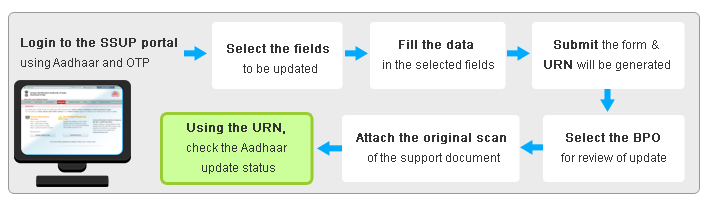
Under the December 2025 update framework, demographic changes such as name, address, date of birth, and gender now require stricter document validation. Self-declared changes without proper proof are no longer accepted in most situations. Online updates are permitted mainly for address changes, while corrections related to name or date of birth generally require visiting an Aadhaar Seva Kendra for verification.
This ensures higher accuracy and reduces the risk of incorrect identity records.

Changes in Biometric Update Requirements
Biometric data has become increasingly important due to widespread Aadhaar-based authentication. Fingerprints and iris scans must be updated if repeated authentication failures occur. While mandatory biometric updates for children remain unchanged, adults facing frequent mismatches are now advised to update biometrics promptly to avoid denial of services.
Regular biometric accuracy helps maintain smooth access to banking, subsidies, and official verifications.
Mobile Number and Email Update Rules
Linking an active mobile number with Aadhaar is now strongly recommended, as OTP-based verification is widely used for digital services and benefit tracking. Aadhaar holders without a valid mobile number may face difficulties accessing online facilities.
Mobile number and email updates cannot be completed online and must be done in person at authorised Aadhaar centres to ensure security.

Deadline and Fee-Related Information
Aadhaar holders are advised to complete necessary updates within the specified timeline to avoid inconvenience. Aadhaar itself will not be cancelled for non-compliance, but certain linked services may be temporarily restricted until records are updated. In some cases, a nominal fee may apply for demographic or biometric updates once the free update window has closed.
How to Check Aadhaar Update Status
Individuals can check whether their Aadhaar details are current by accessing the official Aadhaar portal. The system displays the last update date and indicates if any section requires correction. Those who have submitted update requests can also track progress using the Update Request Number provided during submission.
What Happens If Aadhaar Is Not Updated
If Aadhaar information remains outdated, users may face authentication failures during bank transactions, subsidy credits, or KYC processes. Some institutions may request Aadhaar re-verification before continuing services. While Aadhaar does not become invalid, access to linked benefits and facilities may be temporarily affected.
Why Keeping Aadhaar Updated Matters in 2025
Aadhaar has become a central identity document for financial services, taxation, education benefits, and welfare programs. Updated records help prevent delays, reduce identity mismatches, and protect individuals from potential misuse. Accurate Aadhaar data also supports timely Direct Benefit Transfer payments and smoother service delivery.

Conclusion
The Aadhaar Card update rules introduced in December 2025 represent a strong move toward cleaner and more accurate identity records across India. With stricter verification standards, mandatory biometric updates for specific groups, and limited online update options, Aadhaar holders should review their details at the earliest. Timely updates help avoid service disruptions and ensure continued access to essential government and financial services.
Disclaimer: Aadhaar update rules, procedures, and timelines are subject to change based on official notifications issued by UIDAI. Aadhaar holders should rely only on authorised communication channels for the latest information.